





How to Choose the Right Pressure Switch
Pressure switches are widely used control components in industrial automation, HVAC systems, water supply equipment, hydraulic and pneumatic systems, and many other applications. Their primary function is to automatically open or close an electrical circuit when pressure reaches a preset value, enabling reliable system control and protection. Choosing the right pressure switch is crucial for ensuring system safety, accuracy, and long-term stability. This article explains the key factors to consider when selecting an appropriate pressure switch.
Understand the Application Requirements
The first step in choosing a pressure switch is to clearly define the application requirements. Different systems impose different demands on pressure range, accuracy, response speed, and environmental resistance. For example, a water pump control system requires stable and reliable switching at relatively low pressures, while a hydraulic system may involve high pressure and rapid fluctuations. Understanding whether the pressure medium is air, water, oil, steam, or corrosive chemicals is also essential, as it directly affects material selection and sensor durability.
Determine the Pressure Range
Selecting the correct pressure range is one of the most important considerations. The working pressure of the system should fall within the middle portion of the switch’s rated range rather than near its maximum limit. As a general rule, the normal operating pressure should be about 30% to 70% of the rated range. This ensures better accuracy, longer service life, and reduced risk of mechanical fatigue. If the system experiences pressure spikes, the pressure switch must also be able to withstand short-term overpressure without damage.
Choose the Appropriate Pressure Type
Pressure switches are typically classified as gauge pressure, absolute pressure, or differential pressure switches. Gauge pressure switches measure pressure relative to atmospheric pressure and are commonly used in compressors, pumps, and hydraulic systems. Absolute pressure switches measure pressure relative to a vacuum reference and are suitable for vacuum systems and altitude-related applications. Differential pressure switches detect the pressure difference between two points and are often used for filter monitoring, flow detection, and level measurement. Choosing the correct pressure type ensures accurate and meaningful control.
Consider Accuracy and Repeatability
Accuracy and repeatability are critical in applications where precise pressure control is required. Accuracy refers to how close the switching point is to the set value, while repeatability indicates how consistently the switch activates at the same pressure over multiple cycles. For basic on-off control, moderate accuracy may be sufficient. However, for sensitive processes such as medical equipment or precision manufacturing, a pressure switch with high repeatability and tight tolerance is necessary.
Evaluate Electrical Specifications
The electrical characteristics of the pressure switch must match the control system. Important parameters include rated voltage, current capacity, contact type (normally open, normally closed, or changeover), and switching frequency. If the switch directly controls motors or solenoid valves, the contact rating must be sufficient to handle inrush currents. In low-power control circuits, compatibility with PLCs, relays, or microcontrollers should also be considered.
Select Suitable Materials and Protection Level
The material of the pressure-sensing element and housing plays a vital role in durability and safety. Stainless steel is commonly used for corrosive or high-temperature media, while brass or aluminum may be suitable for general-purpose applications. For harsh environments involving dust, moisture, vibration, or chemicals, the pressure switch should have an appropriate protection rating, such as IP65 or higher. Explosion-proof or intrinsically safe pressure switches are required in hazardous areas like chemical plants or oil and gas facilities.
Mechanical vs. Electronic Pressure Switches
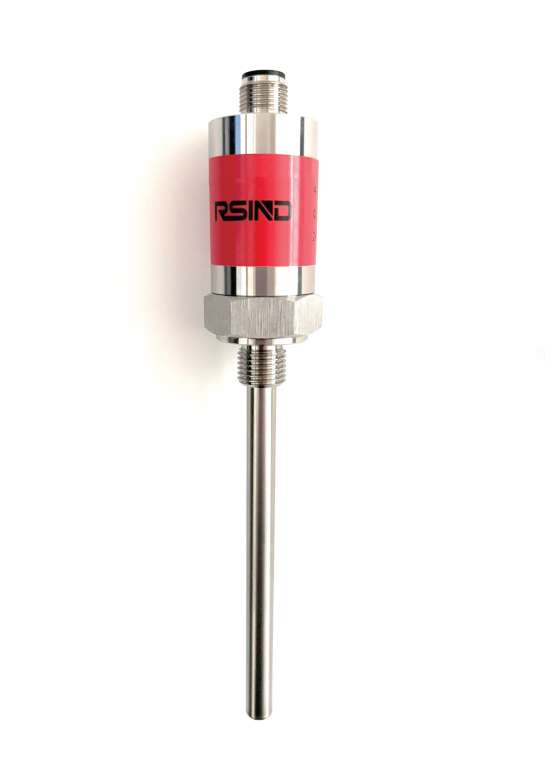
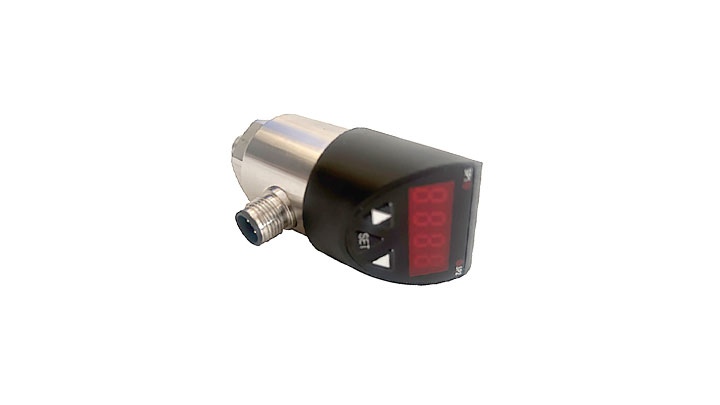
Pressure switches can be mechanical or electronic. Mechanical pressure switches are simple, robust, and cost-effective, making them ideal for basic control tasks. Electronic pressure switches, on the other hand, use sensors and digital circuits to provide higher accuracy, adjustable parameters, and additional functions such as digital displays and communication interfaces. The choice depends on system complexity, budget, and performance requirements.
Installation and Maintenance Considerations
Ease of installation and maintenance should not be overlooked. Factors such as mounting method, process connection size, and accessibility for adjustment can significantly affect system downtime and operating costs. Some pressure switches allow external adjustment of setpoints, while others require specialized tools. Selecting a model that fits existing system standards can simplify integration and future replacement.
Conclusion
Choosing the right pressure switch requires a comprehensive evaluation of mechanical, electrical, environmental, and operational factors. By carefully considering pressure range, pressure type, accuracy, electrical specifications, materials, and installation requirements, users can ensure reliable system performance and long service life. A well-selected pressure switch not only improves control efficiency but also enhances safety and reduces maintenance costs, making it a critical component in modern industrial and commercial systems.
Related Posts
Principles and Applications of Pressure Sensors
Apr 09, 2024
Working Principle and Functions of Relays
Apr 09, 2024