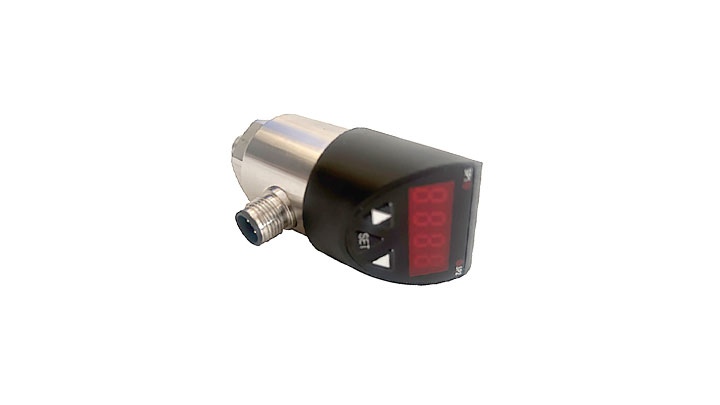





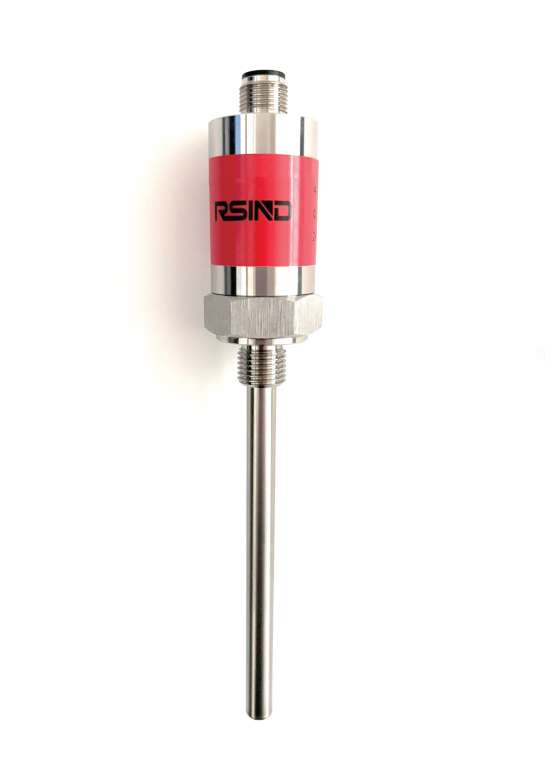
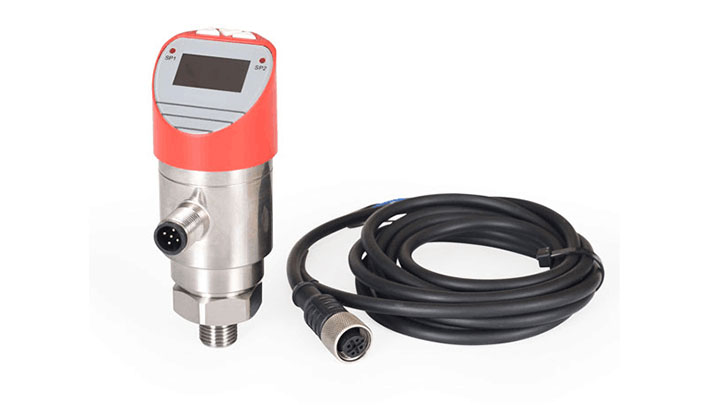
Principles and Applications of Pressure Sensors
Pressure sensors are essential components in modern industrial, scientific, and consumer systems. They convert physical pressure into measurable electrical signals, enabling machines and control systems to monitor, analyze, and respond to changes in their environment. With the rapid development of automation, smart manufacturing, and the Internet of Things (IoT), pressure sensors have become increasingly important across a wide range of applications.
Basic Principle of Pressure Sensors
At their core, pressure sensors work by detecting force applied over a specific area. Pressure is defined as force per unit area, and when a medium such as gas or liquid exerts pressure on a sensing element, it causes a physical deformation. This deformation is then converted into an electrical signal through various transduction mechanisms.
One of the most common principles is the piezoresistive effect. In piezoresistive pressure sensors, pressure causes a diaphragm to deform, changing the resistance of embedded resistors. These resistance changes are measured using a Wheatstone bridge circuit, producing a voltage output proportional to the applied pressure. This type of sensor is widely used due to its high sensitivity and ease of integration with electronic circuits.
Another widely used principle is the capacitive method. Capacitive pressure sensors consist of a flexible diaphragm and a fixed electrode, forming a capacitor. When pressure is applied, the diaphragm moves, changing the distance between the plates and thus altering the capacitance. This change is converted into an electrical signal. Capacitive sensors are known for their high accuracy, low power consumption, and excellent performance at low pressure ranges.
The piezoelectric principle is also important, especially in dynamic pressure measurements. Certain materials, such as quartz or piezoelectric ceramics, generate an electrical charge when subjected to mechanical stress. Piezoelectric pressure sensors are highly responsive and suitable for measuring rapidly changing pressures, such as in combustion engines or impact testing. However, they are generally not suitable for static pressure measurements.
Other pressure sensing technologies include strain gauge, optical, and resonant pressure sensors, each offering unique advantages depending on accuracy requirements, environmental conditions, and cost constraints.
Types of Pressure Sensors
Pressure sensors can be classified based on how they reference pressure. Absolute pressure sensors measure pressure relative to a perfect vacuum and are commonly used in altitude measurement and vacuum systems. Gauge pressure sensors measure pressure relative to ambient atmospheric pressure and are widely used in industrial equipment and hydraulic systems. Differential pressure sensors measure the difference between two pressure points and are essential in flow measurement, filter monitoring, and level detection.
Applications of Pressure Sensors
Pressure sensors are widely used in industrial automation. In manufacturing plants, they monitor hydraulic and pneumatic systems to ensure safe and efficient operation. Accurate pressure measurement helps prevent equipment failure, reduce energy consumption, and improve product quality.
In the automotive industry, pressure sensors play a critical role in engine management and safety systems. Examples include tire pressure monitoring systems (TPMS), manifold absolute pressure (MAP) sensors, oil pressure sensors, and brake system sensors. These devices help optimize engine performance, reduce emissions, and enhance vehicle safety.
The medical field is another important area of application. Pressure sensors are used in blood pressure monitors, ventilators, infusion pumps, and catheter-based diagnostic equipment. High accuracy and reliability are essential in these applications, as sensor data directly affects patient safety and treatment outcomes.
In consumer electronics, pressure sensors enable features such as barometric altitude measurement in smartphones and smartwatches, touch and force detection, and environmental monitoring. These sensors contribute to improved user experience and enhanced device functionality.
Pressure sensors are also crucial in aerospace and meteorology. Aircraft rely on pressure sensors to measure altitude, airspeed, and cabin pressure, while weather stations use them to monitor atmospheric pressure for weather forecasting and climate research.
Future Trends and Conclusion
With advancements in microelectromechanical systems (MEMS) technology, pressure sensors are becoming smaller, more accurate, and more energy-efficient. Integration with wireless communication and digital signal processing allows pressure sensors to be seamlessly connected to smart systems and cloud platforms. In the future, pressure sensors will continue to play a vital role in intelligent manufacturing, smart healthcare, autonomous vehicles, and environmental monitoring.
In conclusion, pressure sensors are indispensable devices that bridge the physical and digital worlds. By converting pressure into precise electrical signals, they enable accurate monitoring, control, and automation across numerous industries. As technology continues to evolve, the applications and capabilities of pressure sensors will expand further, driving innovation and efficiency in modern society.
Tags:
Related Posts
Principles and Applications of Pressure Sensors
Apr 09, 2024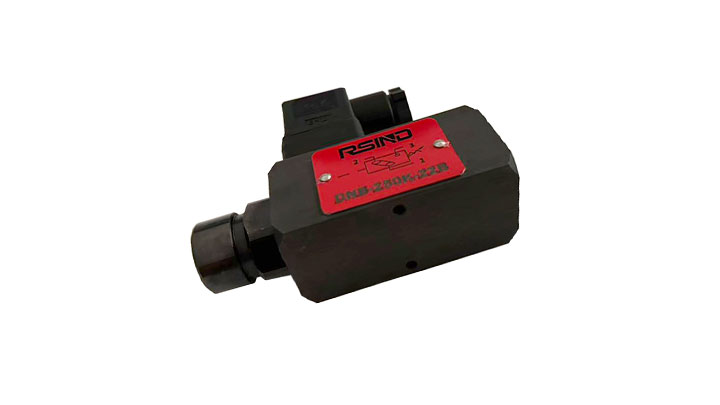
Working Principle and Functions of Relays
Apr 09, 2024